100 miles of beautiful countryside from Winchester to Eastbourne
About the Trail
The South Downs Way is one of England’s most iconic long-distance trails, stretching 100 miles (160 km) from Winchester to Eastbourne. Following the rolling chalk hills of the South Downs National Park, it offers breathtaking views, historic landmarks, and an unforgettable journey through some of the country’s most beautiful countryside. Whether you’re an experienced hiker or a casual walker looking for an adventure, the South Downs Way provides the perfect blend of challenge and reward.
Why Hike the South Downs Way
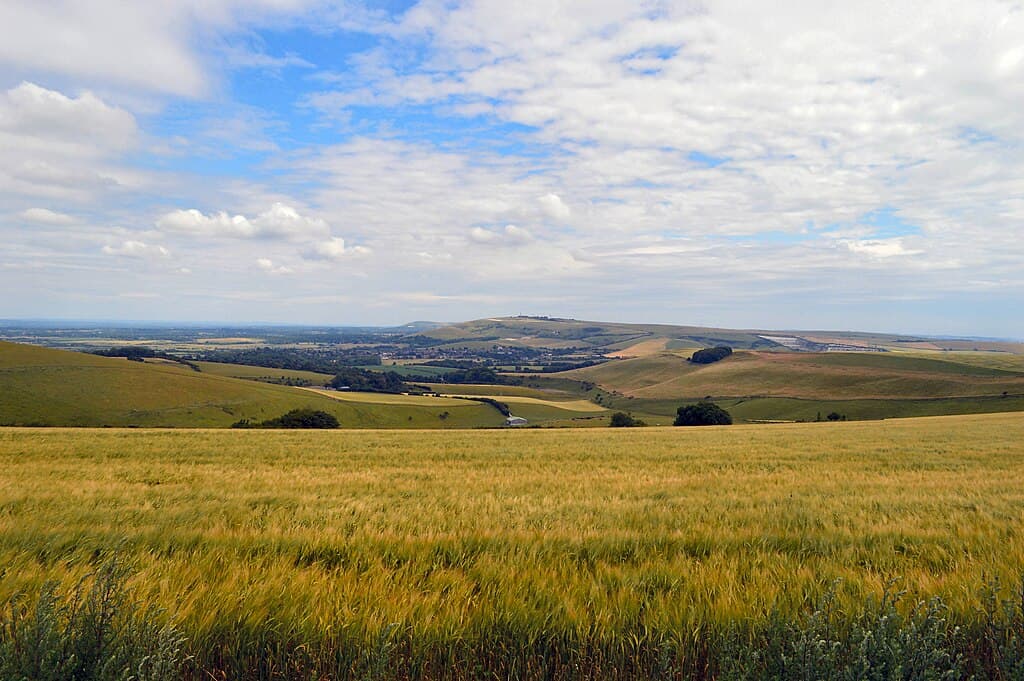
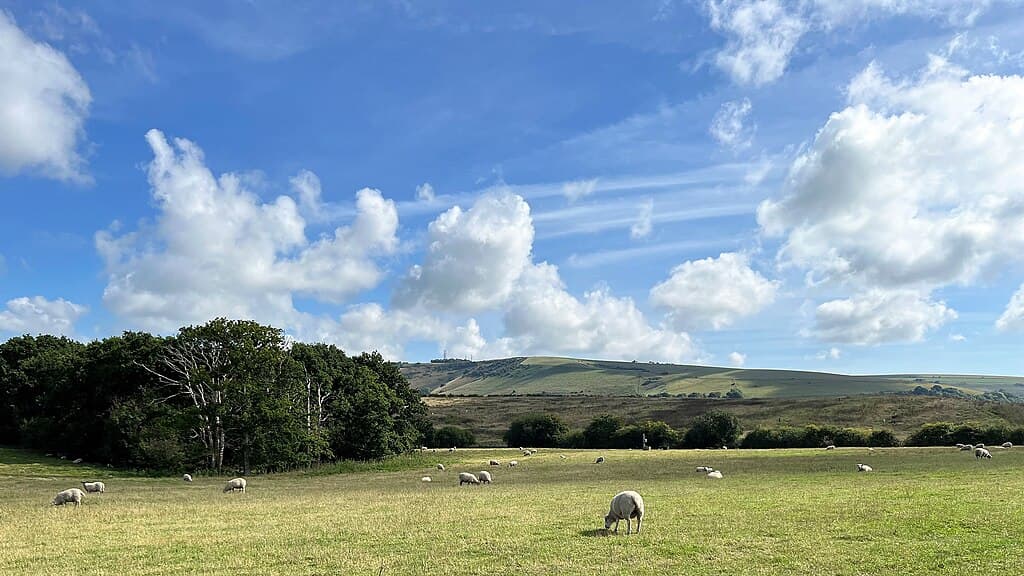
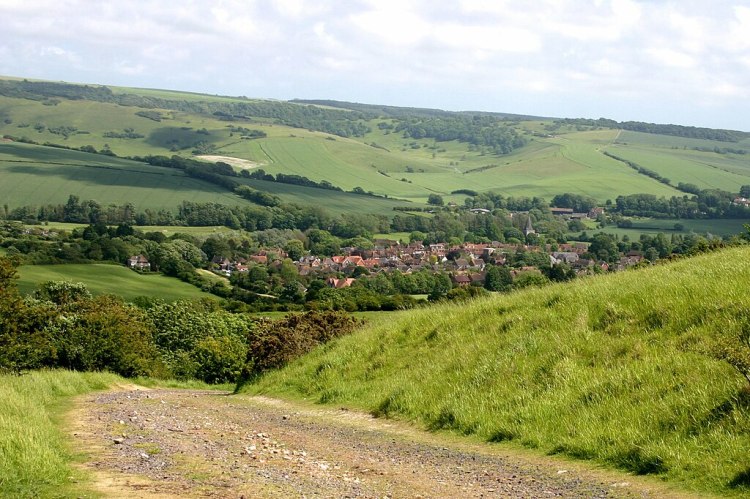
There’s something uniquely special about hiking this trail. Unlike many other long-distance routes in the UK, the South Downs Way is almost entirely off-road, following ancient tracks, bridleways, and footpaths. The result is a peaceful, uninterrupted walking experience with a real sense of stepping back in time. The trail winds through rolling farmland, open downland, and picturesque villages, offering an ever-changing landscape to enjoy.
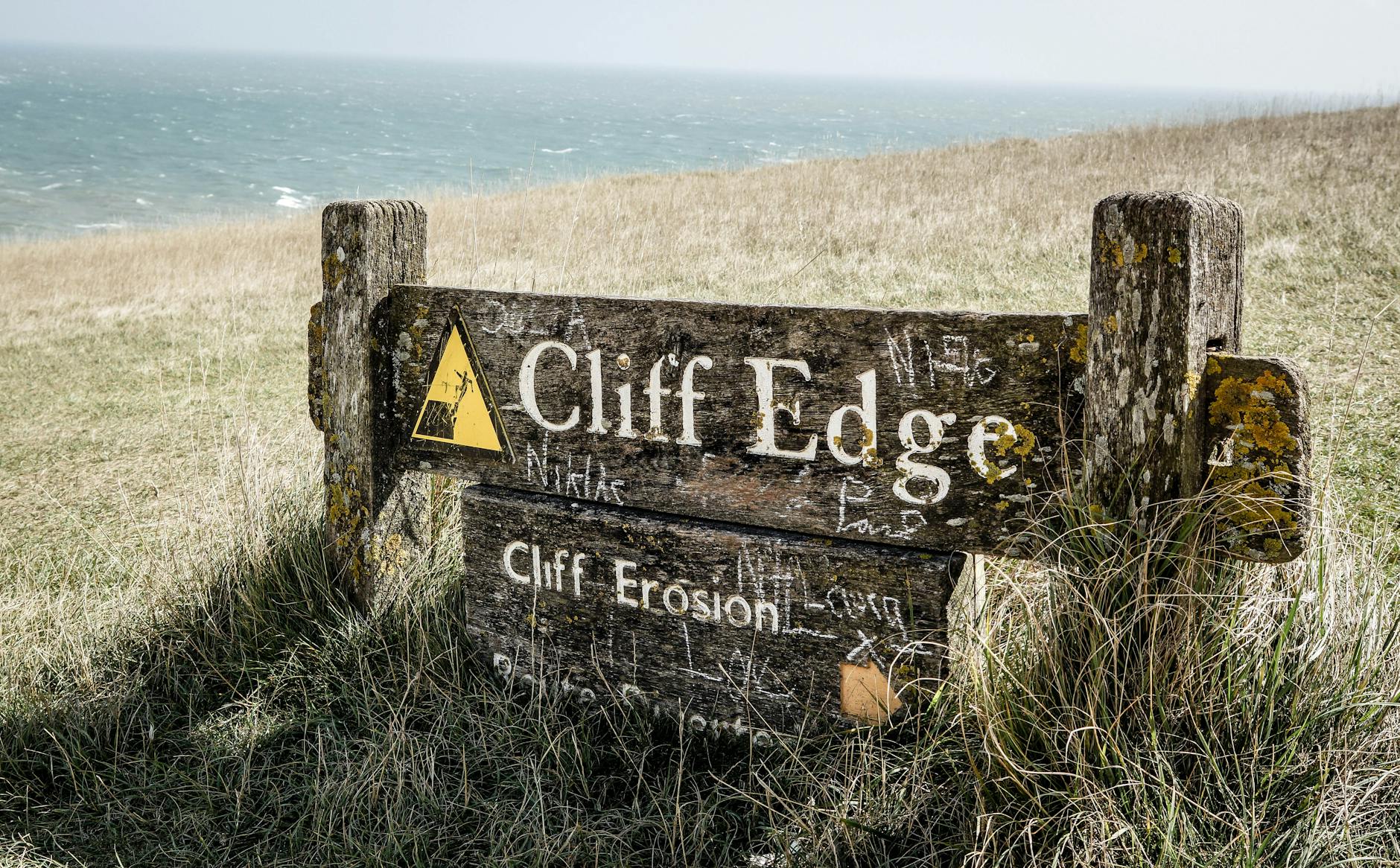
One of the most striking features of the South Downs Way is the sheer variety it offers. On one hand, you have the historical significance of Winchester, England’s ancient capital, where the trail begins. On the other, you end at the dramatic white cliffs of Beachy Head and Eastbourne, with the English Channel stretching out before you. In between, you’ll pass Iron Age hill forts, medieval churches, charming country pubs, and some of the best viewpoints in southern England.
What to Expect on the Trail
The South Downs Way is generally considered a moderate trail, suitable for most reasonably fit walkers. The terrain consists of rolling hills rather than steep mountains, but don’t be fooled—there are still plenty of climbs to test our endurance. On a clear day, the views stretch for miles, with the Weald to the north and the sea to the south providing a stunning contrast.
Accommodation along the route ranges from campsites and hostels to cosy B&Bs and traditional inns. For those who prefer a more self-sufficient adventure, wild camping (though technically not allowed) is possible with careful planning and discretion. The trail is also well-served by villages and market towns, meaning we’re never going to be too far from a pub meal or a well-earned pint of local ale.
Water can be one of the biggest challenges on the trail, as natural sources are limited. However, many villages and farms along the route offer refill points, and with some careful planning, hopefully we won’t run short. Another consideration is the weather—while the South Downs generally enjoys a mild climate, conditions can change rapidly, and strong winds on the ridges are not uncommon.
A Journey to Remember
Hiking the South Downs Way is more than just a physical challenge — it’s an opportunity to connect with history and nature. Whether you complete it in one go over several days or tackle it in sections over time, the experience is one that lingers long after you’ve finished. With its mix of stunning landscapes, rich heritage, and a true sense of adventure, this trail remains one of Britain’s finest walking routes.
In this blog, I’ll be sharing posts at the end of each day (mobile signal permitting) of our hike along the South Downs Way with some pictures as well to document our journey.
So lace up your boots, pack your rucksack, and get ready to explore one of England’s greatest trails with us!